
Whispering Winds by Play’n GO: Why Samurai Themes Are Returning to Slot Games
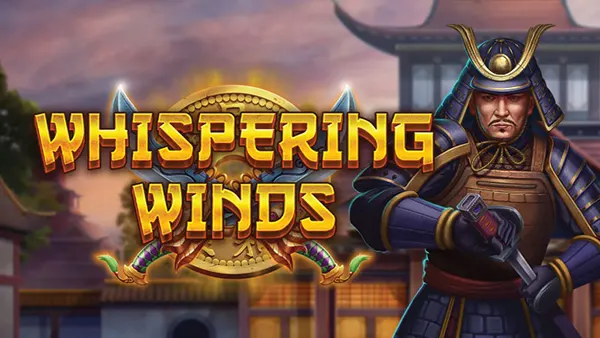
In recent years, developers have increasingly returned to historical and cultural motifs that resonate with players beyond simple visuals. Whispering Winds by Play’n GO is one of the clearest examples of this trend, combining Japanese aesthetics with modern slot mechanics. The renewed interest in samurai themes reflects broader shifts in player expectations, where storytelling, atmosphere, and cultural authenticity play a more significant role than ever before.
The Evolution of Samurai Themes in Modern Slots
Samurai-inspired slots are not a new concept, yet their treatment has changed noticeably over the past decade. Earlier titles often relied on superficial imagery—armour, swords, and cherry blossoms—without much narrative depth. Today, developers aim to present a more cohesive theme, integrating sound design, symbol animation, and bonus features into a unified experience.
Whispering Winds demonstrates this shift by focusing on atmosphere rather than overstimulation. Instead of aggressive visual effects, the game uses subtle motion, ambient sound, and carefully designed reels to create a sense of calm tension. This approach aligns with broader trends in game design, where immersion often matters more than constant action.
Another important aspect is the growing demand for cultural accuracy. While these games are still fictional, studios like Play’n GO increasingly avoid stereotypes and instead draw inspiration from traditional Japanese art styles, landscapes, and historical elements. This contributes to a more respectful and engaging experience for players.
How Cultural Storytelling Enhances Player Engagement
Storytelling in slot games has evolved from basic themes into structured narratives. In samurai-themed titles, this often involves a journey, conflict, or a code of honour. Whispering Winds uses these elements subtly, allowing players to interpret the setting rather than presenting a fixed storyline.
This narrative flexibility is important because it encourages longer play sessions. Players are not only interacting with mechanics but also with a setting that feels alive. Background animations, sound transitions, and feature triggers all contribute to this effect, making each spin part of a broader experience.
In addition, storytelling supports emotional engagement. Calm environments paired with high-stakes bonus rounds create contrast, which keeps players attentive. This balance is especially effective in themes like samurai culture, where discipline and intensity coexist.
Game Mechanics in Whispering Winds and Their Role
Beyond its visual identity, Whispering Winds relies on mechanics that reflect modern slot design standards. Features such as cascading reels, multiplier systems, and expanding symbols are integrated in a way that complements the theme rather than distracting from it.
One of the defining elements is the pacing of the game. Instead of rapid, chaotic sequences, the mechanics unfold gradually. This slower rhythm mirrors the theme itself, reinforcing the sense of control and anticipation. It also appeals to players who prefer a more strategic feel in slot gameplay.
The volatility profile of such games typically leans towards medium or high, meaning that rewards are less frequent but potentially more substantial. This aligns with player expectations for themed slots, where the anticipation of rare features adds to the overall experience.
Balancing Visual Design with Functional Gameplay
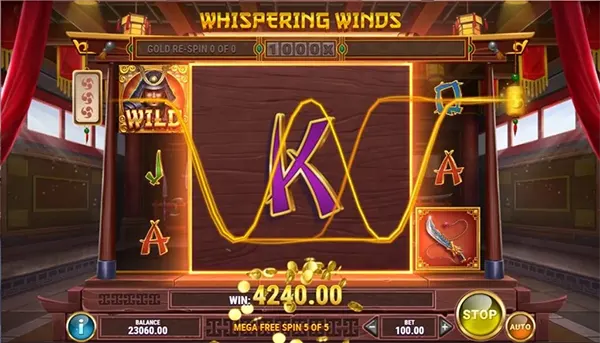
Modern slots must balance aesthetics with usability. Whispering Winds avoids clutter by limiting the number of active elements on screen at any given time. This ensures that players can easily follow the game flow, even during bonus rounds.
Symbol design also plays a key role. Instead of overly complex icons, the game uses clear, recognisable imagery inspired by Japanese culture—such as fans, scrolls, and traditional weapons. This clarity supports both visual appeal and functional readability.
Sound design is equally important. Subtle wind effects, traditional instruments, and minimalistic audio cues help maintain immersion without overwhelming the player. This restrained approach reflects a broader industry trend towards more refined audiovisual experiences.
Why Samurai Themes Continue to Resonate with Players
The lasting appeal of samurai themes lies in their symbolic meaning. Concepts such as honour, discipline, and mastery translate well into gameplay mechanics, where players seek control and reward through calculated decisions.
In addition, Japanese aesthetics have a timeless quality that adapts well to digital formats. Clean lines, natural landscapes, and balanced compositions are visually effective across different devices, from desktop screens to mobile interfaces.
Another factor is global familiarity. Samurai culture is widely recognised through films, literature, and games, making it accessible to a broad audience. At the same time, there is enough depth to keep the theme interesting even after repeated exposure.
The Role of Nostalgia and Modern Expectations
Nostalgia plays a subtle but important role in the return of these themes. Many players associate samurai imagery with earlier gaming experiences, and modern titles build on that familiarity while offering improved mechanics and design.
However, expectations have evolved. Players now look for more than visual appeal—they expect smooth performance, fair mechanics, and meaningful features. Games like Whispering Winds succeed by combining traditional themes with contemporary standards.
Ultimately, the resurgence of samurai-themed slots reflects a broader shift towards more thoughtful design. Rather than relying solely on visual intensity, developers are creating experiences that feel cohesive, immersive, and grounded in recognisable cultural elements.